
Wet Carbon Fiber vs Dry Carbon Fiber: Technical Comparison of Process, Weight, Strength, Cost, and Fitment
Wet carbon fiber vs dry carbon fiber: wet layup is lower cost but typically heavier and less consistent due to variable resin content; dry carbon (prepreg, vacuum-bagged, heat/pressure cured) usually delivers lower mass, better laminate quality, tighter tolerances, and higher cost.
Wet Carbon Fiber vs Dry Carbon Fiber (Quick Answer)
- Choose wet carbon fiber for budget-driven street builds and cosmetic upgrades where absolute mass reduction is secondary.
- Choose dry carbon fiber for performance-critical applications requiring consistent stiffness-to-weight and repeatable fitment.
- Typical market spread: dry carbon parts often cost 1.3×–2.5× comparable wet-layup parts.
What “Wet” and “Dry” Carbon Actually Mean
Wet Carbon Fiber (Wet Layup)
Dry fabric is placed in tooling, then resin is added during layup. Fiber volume fraction and void content depend strongly on technician control, vacuum integrity, and cure discipline. Result: wider part-to-part variability.
Dry Carbon Fiber (Prepreg)
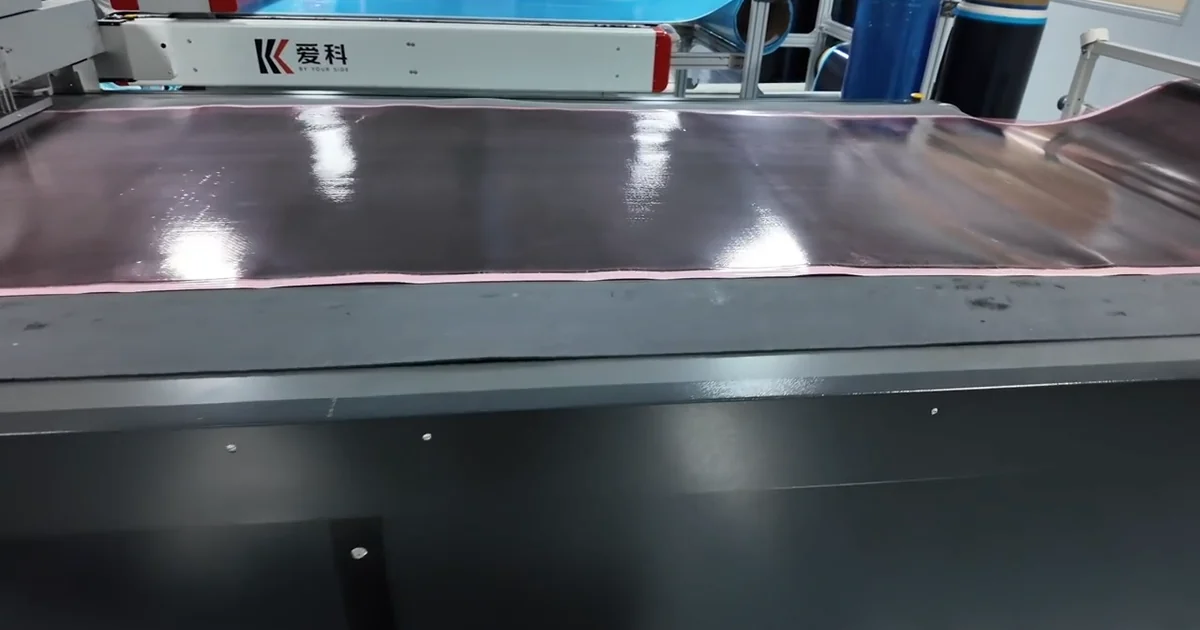
Fabric arrives pre-impregnated with controlled resin content. Laminates are vacuum bagged and cured under controlled heat and pressure (often autoclave). Result: improved consolidation, lower voids, and better repeatability.
Wet Carbon Fiber vs Dry Carbon Fiber: Side-by-Side Data
| Factor | Wet Carbon Fiber | Dry Carbon Fiber (Prepreg) |
|---|---|---|
| Resin Control | Operator-dependent, more variable | Tightly controlled by prepreg system |
| Typical Mass | Higher for equivalent geometry | Lower for equivalent geometry |
| Strength-to-Weight Consistency | Good, broader variance | Higher, narrower variance |
| Cosmetic Weave/Fit Repeatability | Moderate | High |
| Production Cost | Lower | Higher (material, tooling, cycle control) |
| Best Use Case | Street/cosmetic value builds | Track/performance and premium show builds |
Engineering Drivers Behind Performance Differences
Fiber Volume Fraction and Void Content
Composite efficiency increases when fiber carries more load and resin is optimized for transfer, not excess fill. Dry carbon processes usually achieve better compaction and lower voids, improving specific stiffness and reducing mass.
Why “Dry Carbon Is Stronger” Is Incomplete
Strength depends on laminate schedule, ply orientation, local reinforcement, core strategy, edge design, and load path. A well-engineered wet laminate can outperform a poorly engineered prepreg part. Process quality and structural design must be evaluated together.
Typical Real-World Mass Delta
- Hoods: often 2–8 lb (0.9–3.6 kg) lighter in dry carbon equivalents.
- Trunks: often 1.5–5 lb (0.7–2.3 kg) lighter.
- Aero: highly design-dependent; core and edge reinforcement can dominate outcomes.
Why Dry Carbon Costs More
- Prepreg raw material premium and cold-chain handling.
- Tighter tooling and process control requirements.
- Vacuum bagging QA, debulk steps, controlled cure cycles, and stricter inspection.
- Lower tolerance for cosmetic defects, increasing reject/rework pressure.
How to Verify True Dry Carbon Before Purchase
- Request cure process details: prepreg system, oven/autoclave method, cycle controls.
- Confirm construction type: full laminate vs hybrid carbon-over-fiberglass.
- Ask for measured part weight with tolerance band.
- Request backside photos and mounting-point close-ups.
- Review QC evidence: hole alignment checks, flange thickness consistency, test-fit logs.
Buying Decision Matrix
- Street value build: wet carbon fiber is usually the rational choice.
- Show build: dry carbon fiber is preferred for weave precision and panel consistency.
- Track build: prioritize dry carbon on high-leverage parts (front overhang, aero, high CG panels).
FAQ: Wet Carbon Fiber vs Dry Carbon Fiber
Is dry carbon always lighter than wet carbon?
Usually, but not universally. Geometry, layup thickness, and reinforcement choices can reduce or reverse expected differences.
Does dry carbon crack easier?
Not inherently. Crack risk is dominated by design margins, impact load, mounting stress, and installation quality.
Is wet carbon just fiberglass with carbon skin?
Sometimes, not always. Verify laminate construction before buying.