
Dry Carbon Fiber vs Wet Carbon Fiber: Which Is Better for Performance, Looks, and Value?
Dry carbon fiber is pre-impregnated with controlled resin and cured in an autoclave, producing lighter, stronger, more consistent parts with cleaner finish, but at higher cost. Wet carbon fiber is hand-laid with liquid resin, cheaper and simpler, yet heavier, less uniform, and typically weaker.
Dry Carbon Fiber vs Wet Carbon Fiber (Quick Comparison Table)
Side-by-Side Spec, Price, and Value Snapshot
| Category | Dry Carbon Fiber | Wet Carbon Fiber |
|---|---|---|
| Manufacturing | Prepreg + vacuum bag + autoclave cure | Hand layup + liquid resin (often vacuum infusion) |
| Typical resin ratio | Lower, tightly controlled | Higher, varies by operator/process |
| Weight | Lightest option for same part geometry | Usually heavier for equivalent part |
| Rigidity/strength-to-weight | Higher consistency and stiffness | Can be strong, but less consistent batch-to-batch |
| Finish quality | Cleaner weave alignment, fewer pinholes | More weave distortion/print-through risk |
| Price (US market) | Premium (often 1.5x–3x) | Budget to mid-tier |
| Best use cases | Track builds, high-end street, visible show parts | Cost-effective street cosmetic and some aero |
| Value verdict | Best performance and finish if budget allows | Best dollar value for many daily drivers |
At-a-Glance Verdict for Most Buyers
If your priority is maximum weight savings, tight weave cosmetics, and repeatable quality, dry carbon is the better choice. If your priority is visual upgrade per dollar and you can accept small finish/weight compromises, wet carbon is often the smarter buy.
What Is Dry Carbon Fiber?
How Dry Carbon Is Made (Prepreg + Autoclave Process)
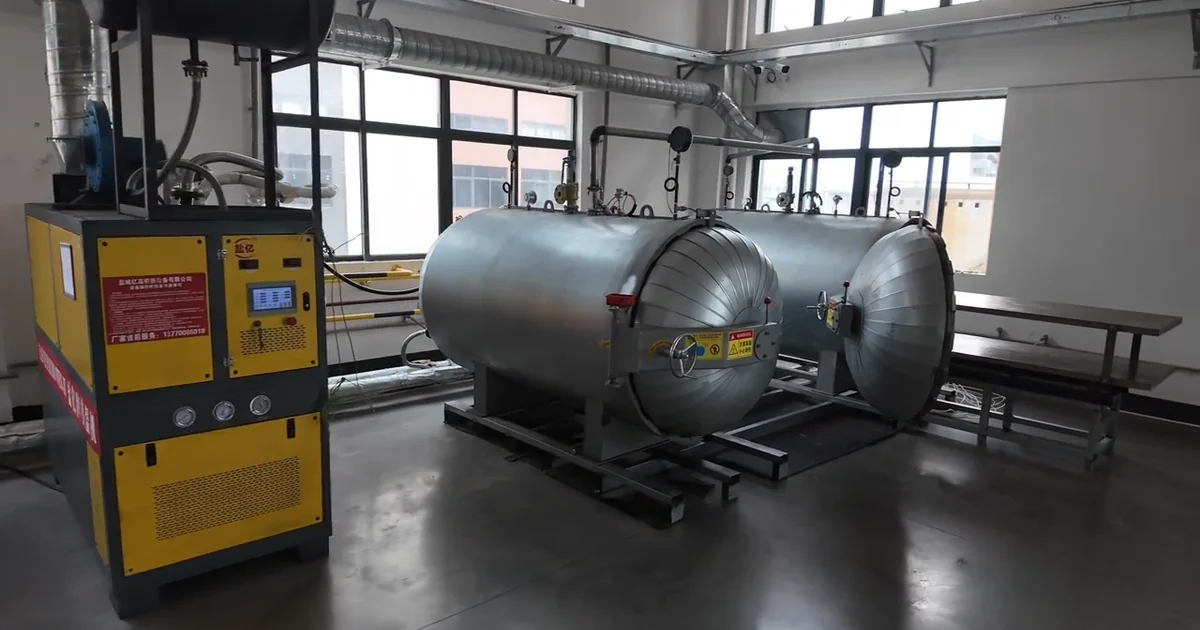
Dry carbon parts are made with pre-impregnated fabric (“prepreg”), where resin content is pre-measured at the material stage. The layup is vacuum-bagged and cured under heat and pressure in an autoclave, reducing voids and improving laminate compaction.
Typical Resin Content, Weight, and Strength Characteristics
Because resin content is tightly controlled, the final part has a better fiber-to-resin ratio. That typically means lower mass and better specific stiffness. On many street platforms, a dry carbon hood can save an additional 2–6 lb (0.9–2.7 kg) versus a comparable wet carbon hood.
Why Dry Carbon Usually Has Better Weave Consistency
Prepreg handling plus controlled cure cycles helps keep weave lines straighter, especially across long surfaces like 55–65 in (1397–1651 mm) hoods. You’ll usually see fewer distortions around corners, vents, and edges.
What Is Wet Carbon Fiber?
How Wet Carbon Is Made (Hand Layup + Resin Infusion)
Wet carbon is typically made by laying dry fabric in a mold and adding liquid resin manually or through infusion. This method is faster to scale and requires less expensive equipment.
Typical Cost, Finish Quality, and Manufacturing Variance
Wet carbon can look great, but quality varies more with technician skill, mold condition, and cure control. You may see occasional waviness, pinholes, or resin-rich zones under clear coat.
Where Wet Carbon Delivers Strong Value
For mirror caps, interior trim, and moderate-risk aero pieces, wet carbon can deliver excellent visual impact for significantly less money. For many street builds, this is the best price-to-style upgrade.
Dry Carbon Fiber vs Wet Carbon Fiber: Core Differences That Matter
Weight Difference in Real-World Parts
Small parts show small gains, large panels show bigger gains. A pair of mirror caps may differ by only ounces, while hood and trunk panels can show meaningful total reduction. On a track car, that can affect balance and transient response.
Strength, Rigidity, and Impact Behavior
Dry carbon is usually stiffer and more consistent, but both materials can crack under impact. Design, layup schedule, and reinforcement strategy matter more than the marketing label alone.
Surface Finish, UV Stability, and Long-Term Appearance
UV resistance depends heavily on topcoat quality. A strong automotive-grade UV clear is essential either way. For technical context on composite performance and standards, SAE and ASTM references are useful starting points, such as ASTM International.
Heat Tolerance and Daily-Driver Durability
Engine-bay-adjacent components and parts near exhaust heat should use proper resin systems and heat shielding. Ask for temperature resistance data where relevant, especially for splitters and underbody pieces.
Repairability and Ownership Costs Over Time
Both can be repaired cosmetically, but structural repair quality depends on shop skill. If your front lip is likely to scrape frequently, replacing a less expensive wet carbon part may be more economical long-term.
Part-by-Part Buying Advice: Hood, Trunk, Lip, Mirror Caps, Interior Trim
Hood: When Weight Savings and Rigidity Justify Dry Carbon
Hoods are high-visibility, high-area parts. Dry carbon is usually worth it for performance builds due to lower weight and better dimensional stability over spans around 60 in (1524 mm).
Trunk: Street vs Track Priorities and Budget Breakpoints
Street users focused on looks can often choose wet carbon. Track users chasing every pound should prioritize dry carbon, especially if adding wings and requiring stable mounting zones.
Front Lip / Splitter: Scrape Risk, Consumable Logic, and Best Material Choice
If your ride height is low and roads are rough, treat the lip as a consumable. Wet carbon often makes better financial sense unless you need specific aerodynamic stiffness targets.
Mirror Caps: Visual Mods, Cost Efficiency, and Finish Expectations
Mirror caps are ideal wet carbon territory: high cosmetic impact, lower structural demand, and easier budget control.
Interior Trim: Fit, Gloss Consistency, and Value per Dollar
For interior kits, inspect edge finishing and clip geometry. During test fitting at the Vuro Carbon workshop, we observed that trim tabs with ±0.5 mm tolerance and consistent 2×2 twill orientation reduced squeaks and misalignment during summer heat cycles.
Which One Should You Buy for Your Build?
Best Choice for Track Builds
Dry carbon, especially for hood, trunk, roof, and aerodynamic elements where stiffness and mass reduction matter.
Best Choice for Street Performance Builds
Mixed strategy: dry carbon for major panels, wet carbon for lower-risk cosmetic parts.
Best Choice for Show Cars and Cosmetic Upgrades
Choose the best visible finish your budget allows. High-quality wet carbon can still look outstanding with proper clear coat.
Best Choice for Budget-Conscious Enthusiasts
Wet carbon first, then selectively upgrade to dry carbon on parts that deliver measurable performance return.
“If You’re Unsure” Decision Framework (Simple 3-Step Rule)
1) Is it structural or large? Lean dry. 2) Is it likely to get damaged? Lean wet. 3) Is weave perfection critical for show use? Lean dry from a reputable supplier.
Buyer’s Checklist: How to Spot Real Quality Carbon Parts
Red Flags Before Checkout (Expert Pre-Purchase List)
- No real product weight listed (only “lightweight” claims).
- No backside photos of layup and reinforcement points.
- Only stock photos; no installed photos on actual chassis.
- No mention of UV-stable automotive clear coat.
- Vague “dry carbon style” wording.
Questions to Ask Sellers About Process, Weight, and Warranty
- Is this true prepreg autoclave dry carbon or wet layup?
- What is the exact weight in lb/kg?
- What warranty covers clear coat yellowing, cracking, and fitment?
How to Verify Fitment Claims, Hardware, and Install Requirements
Ask whether OEM latch points, hinges, and mounting bosses are reinforced. Confirm whether cutting, drilling, or adhesive is required.
Shipping, Packaging, and Return-Policy Checks That Prevent Expensive Mistakes
Large panels should ship in rigid edge-protected crates. Confirm inspection window and who pays return freight on fitment defects.
Counterfeit/Low-Grade Warning Signs in Listings and Photos
Look for inconsistent weave direction across left/right parts, blurred close-ups, and suspiciously low pricing far below normal market range.
Pricing, Brands, and Value: Where Your Money Actually Goes
Why Two “Carbon” Parts Can Have a Huge Price Gap
Cost differences come from material grade, tooling precision, labor skill, cure process, QC rejection rates, and after-sales support.
MSRP vs Marketplace Pricing: What’s Fair for Each Part Type
Marketplace deals can be legitimate, but verify manufacturing method and warranty terms before assuming equal value.
When Paying More Is Worth It—and When It Isn’t
Pay more for large, load-bearing, or highly visible components. Save on frequently damaged cosmetic pieces.
Total Cost of Ownership: Part Price + Paint/Clear + Install + Replacements
Always calculate full ownership cost. A cheaper part that needs refinishing and frequent replacement can exceed premium pricing over 12–24 months.
For deeper sourcing and manufacturing context, see Premium Carbon Fiber Car Parts Wholesale in China | OEM Quality, Best-in-Class Carbon Fiber Car Parts for OEM Performance, The Ultimate Guide to Custom Carbon Fiber Car Parts, and The Complete Guide to Carbon Fiber.
FAQs: Dry Carbon Fiber vs Wet Carbon Fiber
Is dry carbon always stronger than wet carbon?
Not always in absolute terms, but it is usually more consistent and stronger for the same weight.
Is wet carbon good enough for daily driving?
Yes. For many daily-driven cosmetic and light-duty parts, high-quality wet carbon performs well.
How much weight do you actually save with dry carbon?
Depends on part size; from ounces on caps/trim to multiple pounds on large panels.
Does dry carbon crack more easily on street cars?
Both can crack from impacts. Street damage risk is more about use conditions than “dry vs wet” alone.
Which type fades less in sun exposure?
The clear coat system matters most. Good UV-stable clear coat is critical for both.
Are carbon fiber cosmetic parts worth buying used?
Sometimes, if weave, mounting tabs, and clear coat are carefully inspected for hidden damage.
How do I tell if a listing is real dry carbon or just marketing?
Request process proof, backside photos, measured weight, and brand documentation.
What’s the best carbon part to buy first for noticeable value?
For looks: mirror caps or lip. For performance: hood (if you can justify dry carbon pricing).
⚡ Track-Tested Insight (Marcus Chen, Lead Product Engineer): “When we instrumented back-to-back splitter prototypes at 120 mph, the wet-layup version with resin-rich corners deflected nearly 30% more at the mounting plane than the prepreg/autoclave dry version of identical outer geometry. That extra deflection changed effective aero angle enough to reduce front-end consistency across laps. If your part sees sustained load, ask for laminate schedule and mounting reinforcement details—not just a carbon label.”
If you want help choosing the right mix of dry and wet carbon for your exact chassis, explore Vuro Carbon’s product lineup for performance-focused fitment, finish quality, and practical value.